
Anaesthesia
Safe Care, Comfortable Procedures
At Rafi Lifecare Hospital, our Anaesthesia Department provides safe, effective, and personalized anaesthetic care for patients undergoing surgical and medical procedures. Our experienced anaesthesiologists ensure patient comfort, pain management, and continuous monitoring before, during, and after surgery using advanced techniques and modern equipment.
Safe, Personalized Anaesthesia for Every Procedure
Our anaesthesia team provides tailored solutions for surgical and diagnostic procedures, ensuring patient comfort, effective pain management, continuous monitoring, and the highest standards of safety before, during, and after treatment.
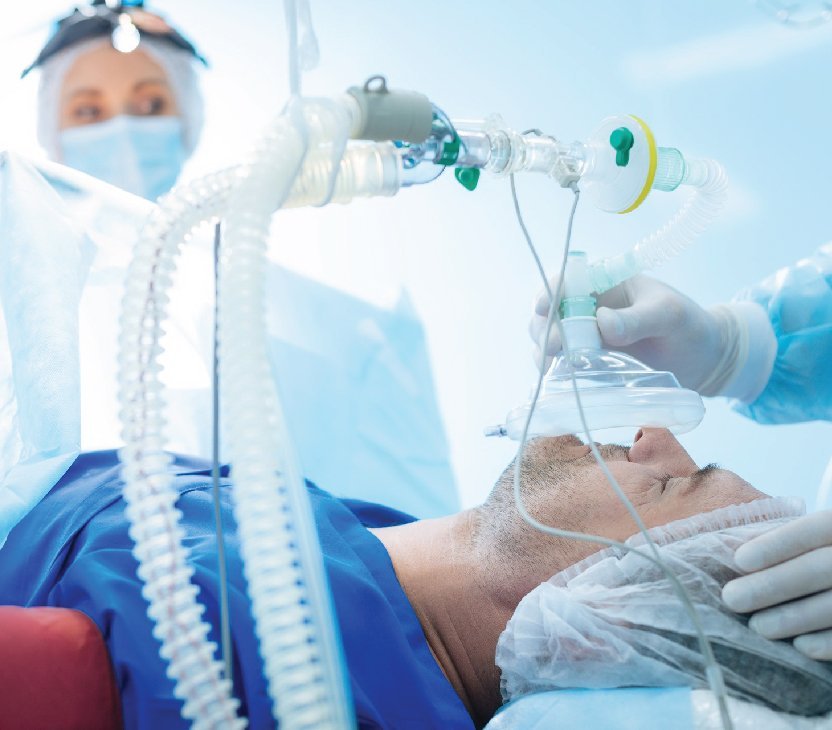
General Anaesthesia
Induces controlled unconsciousness for major surgical procedures while ensuring complete patient safety and comfort.
Regional Anaesthesia
Blocks sensation in specific areas of the body for targeted surgical procedures and pain relief.
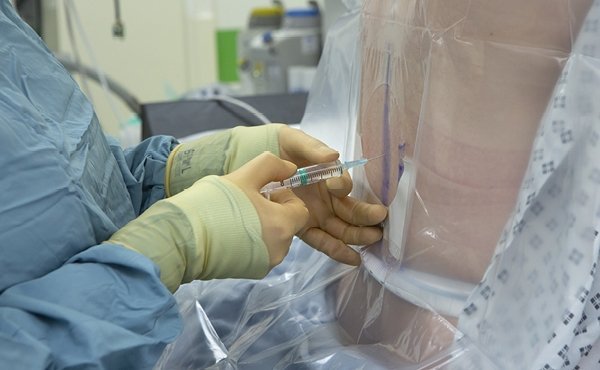
Spinal Anaesthesia
Commonly used for lower abdominal, orthopedic, and obstetric surgeries with effective pain control.
Epidural Anaesthesia
Provides long-lasting pain relief during childbirth and various surgical procedures.
Local Anaesthesia
Numbs a small treatment area for minor surgical and diagnostic procedures.
Sedation Services
Helps patients remain relaxed and comfortable during medical examinations and minor procedures.
Understanding Anaesthesia Care
Learn more about anaesthesia, patient safety, preparation guidelines, recovery expectations, and pain management. Our experts ensure every procedure is performed with comfort, precision, and the highest standards of care.
Anaesthesia is a medical treatment that prevents pain and discomfort during surgical or diagnostic procedures, helping patients remain comfortable and safe throughout treatment.
Yes. Modern anaesthesia is highly safe when administered by qualified anaesthesiologists who continuously monitor vital signs and patient responses throughout the procedure.
It depends on the type of anaesthesia used. Some procedures require complete unconsciousness, while others may only numb a specific area or provide mild sedation.
Patients are usually advised to avoid food and drinks for a specified period before surgery and share their complete medical history with the healthcare team.
Recovery time varies depending on the type of anaesthesia and procedure. Most patients recover within a few hours, while some may require additional observation and care.